Headshot is a confusing category, even among photographers. I think of a headshot as falling into one of two types, studio or environmental. Both are posed photographs of a single person. A studio headshot uses a plain background, while an environmental headshot is shot in a real-world setting.
Either type could reasonably be called a portrait, though I use “portrait” for something different, an unposed photograph connected to the subject, an artist with their brushes, or a mechanic with their spanners.

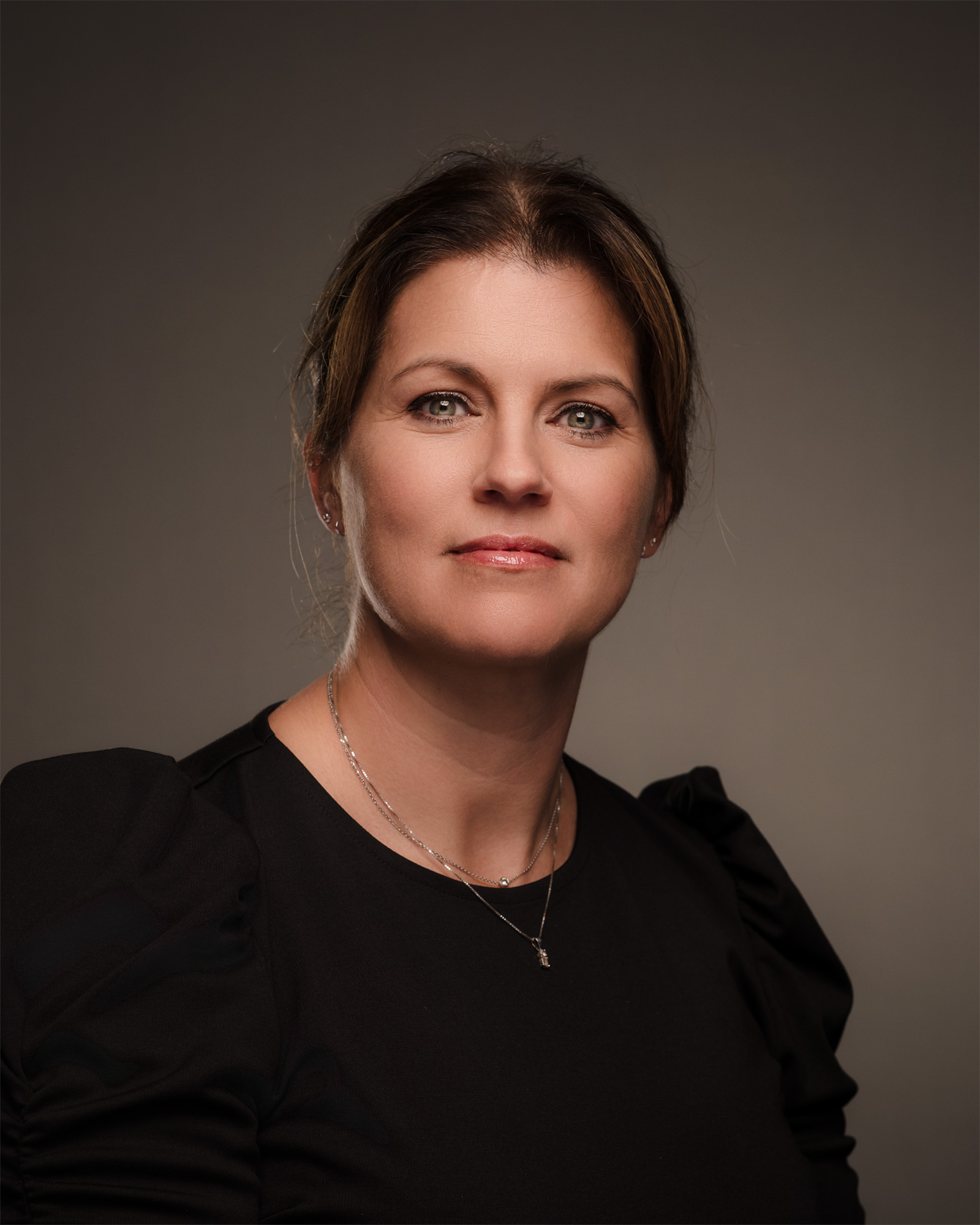
Example of a studio headshot, taken during a conference.
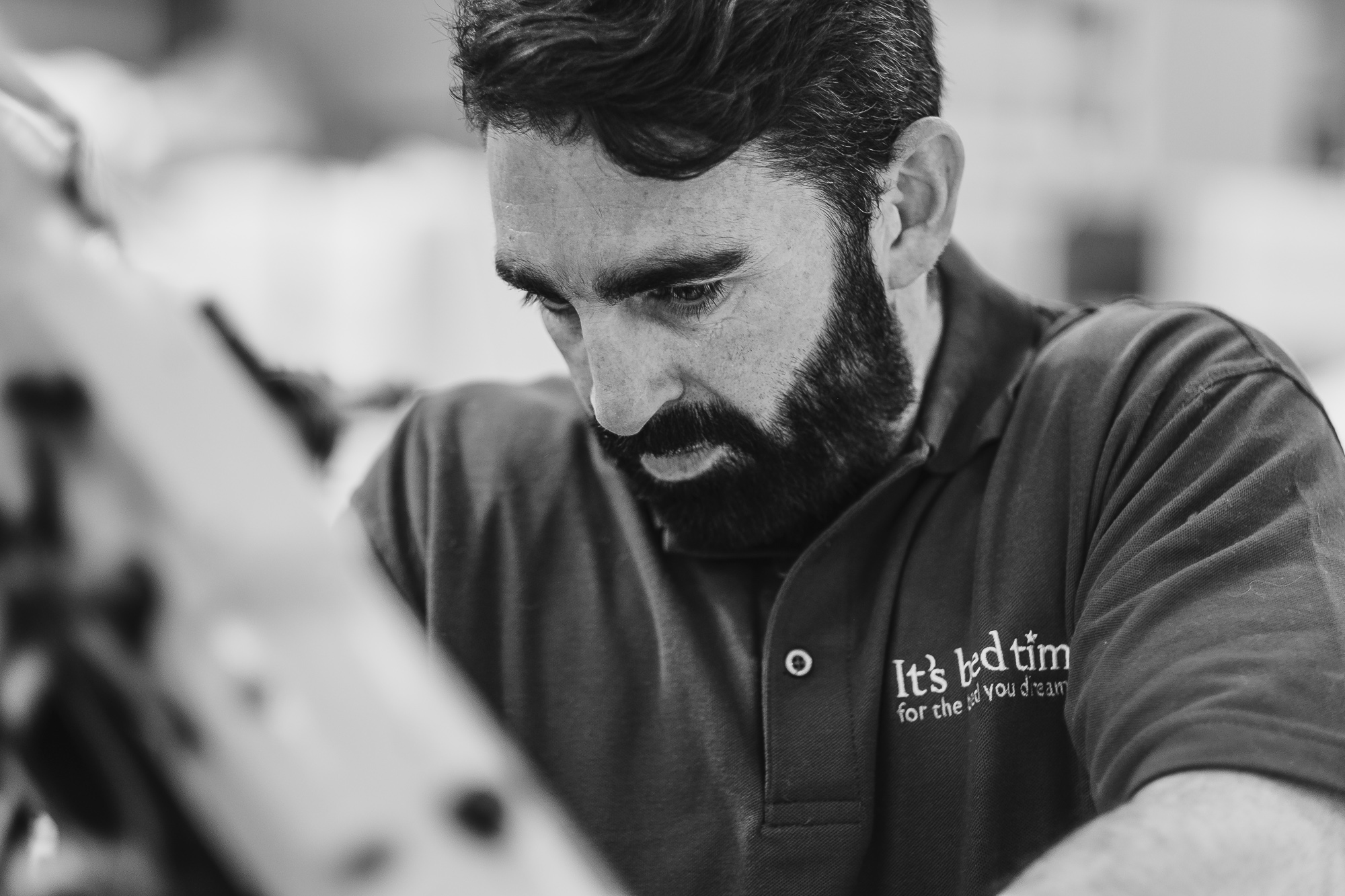
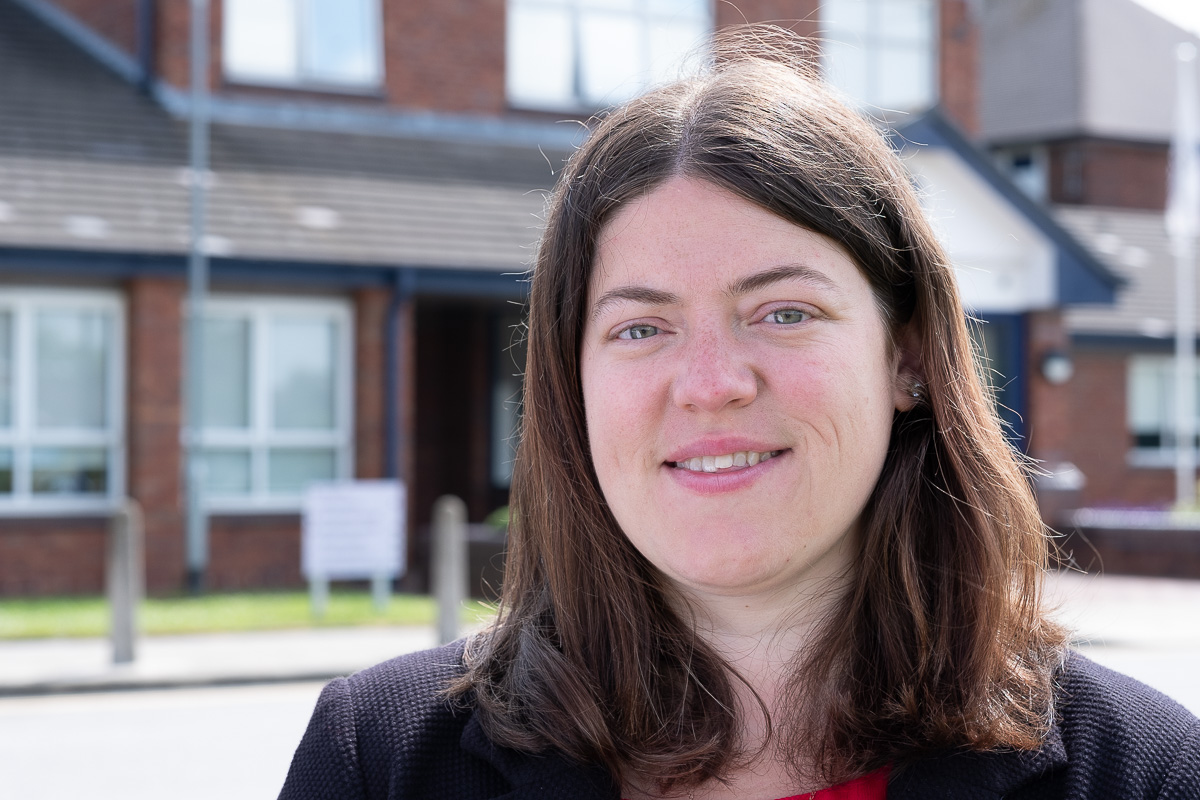
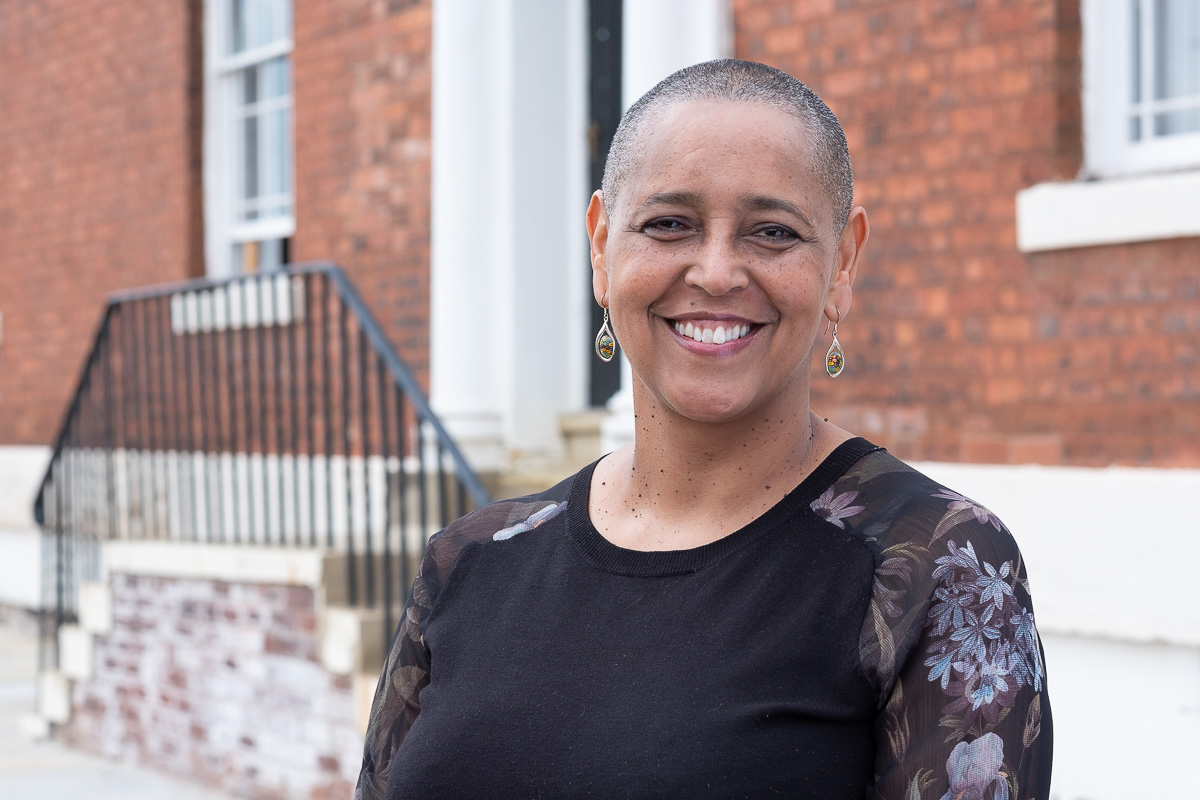
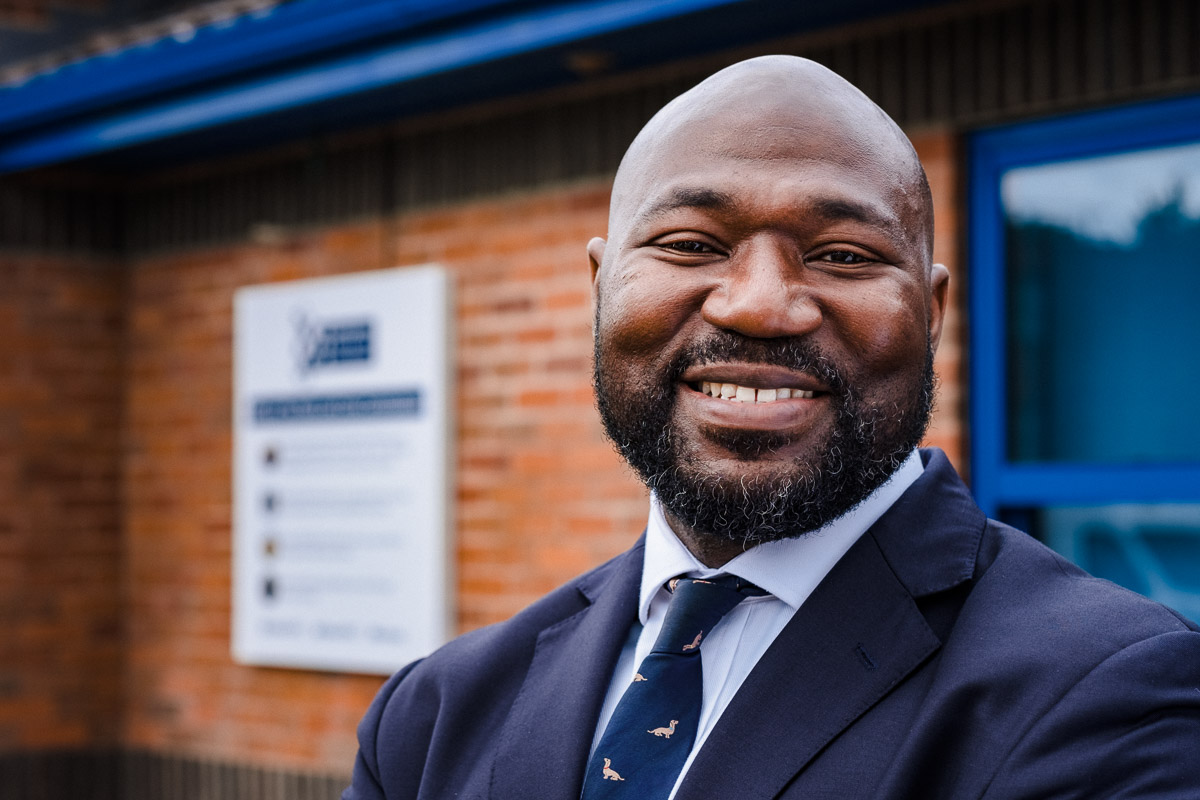
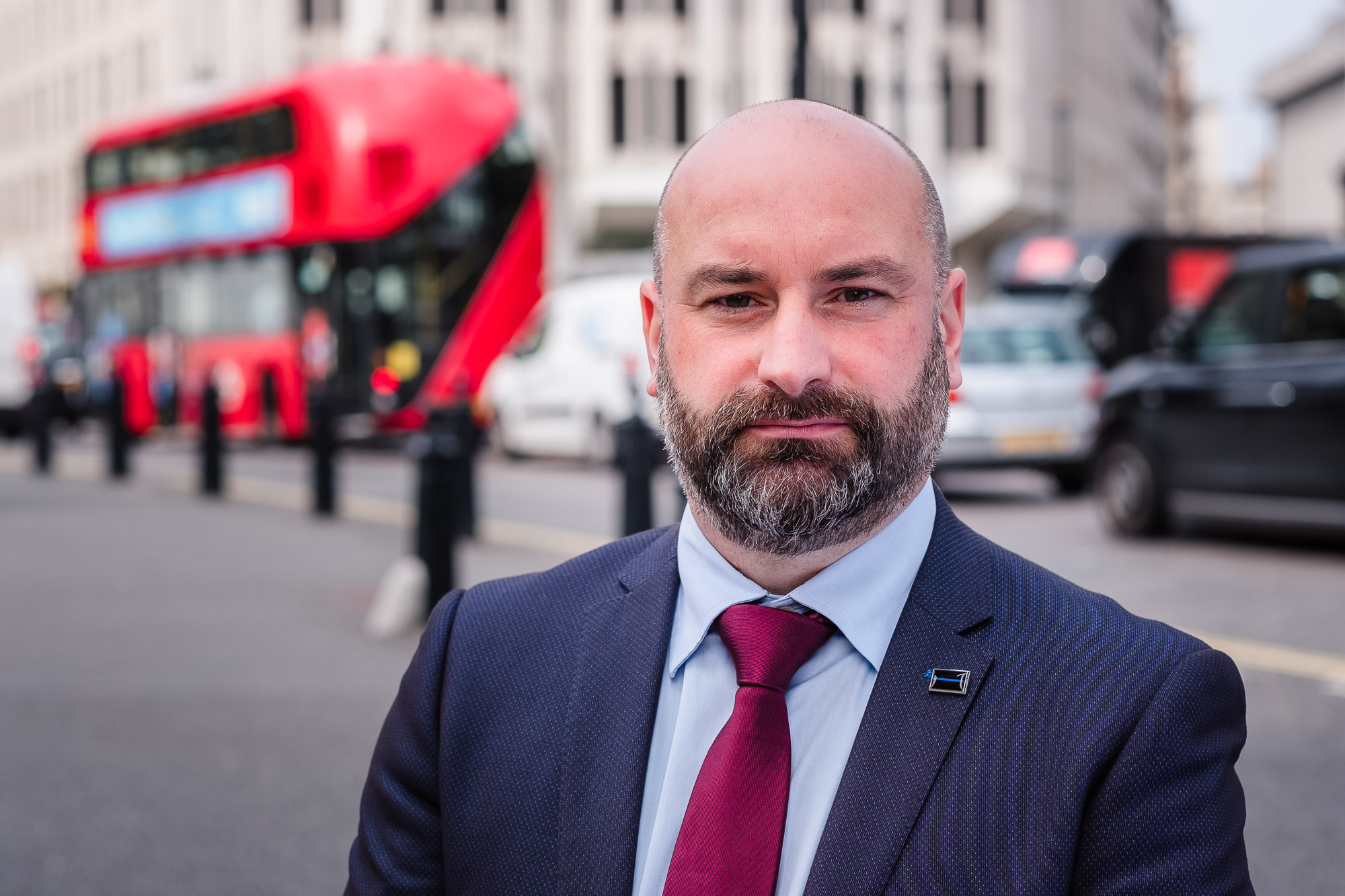
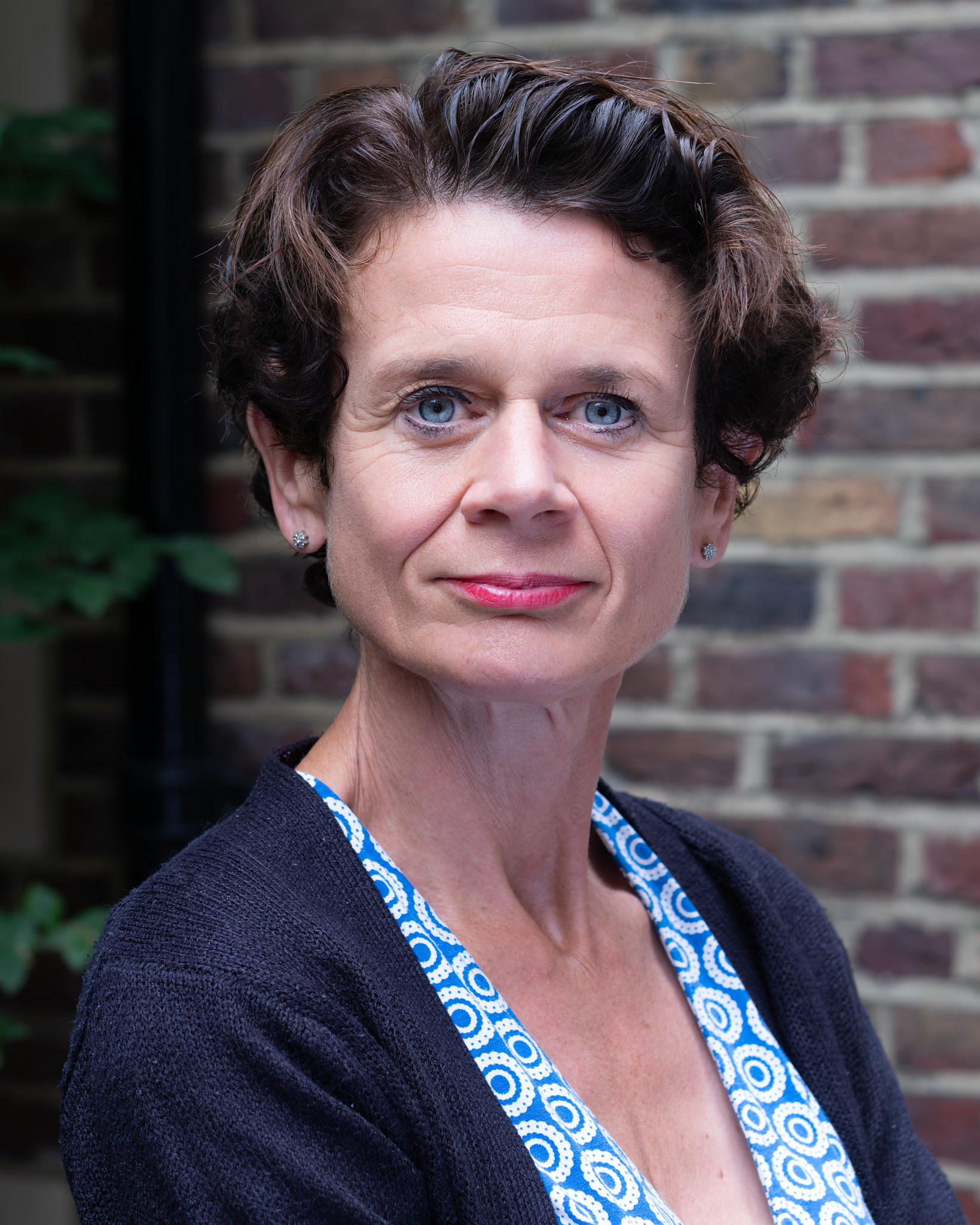
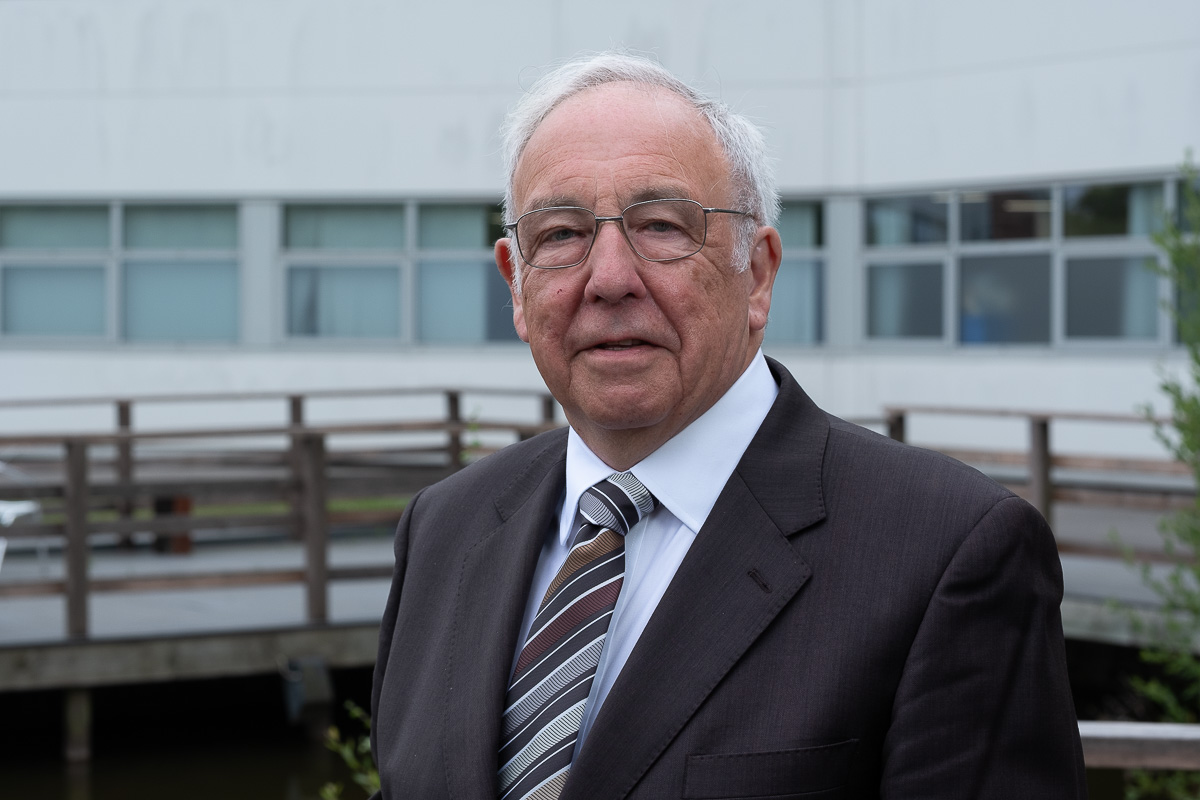
Example of an evnironmental portrait
Studio headshots, usually shot with a mobile studio set up in your workplace or at a conference venue, are typically used for social media profiles and team pages on a company website. The advantage is control, which makes a consistent look across a whole team achievable.
Environmental headshots are shot in your workplace or another relevant location. They tend to look more dynamic and authentic, and suit an individual profile where a single, distinctive image matters more than matching everyone else’s. An office setting is easier to keep consistent light in than the outdoors, where changing light, weather and the season all affect the photograph.
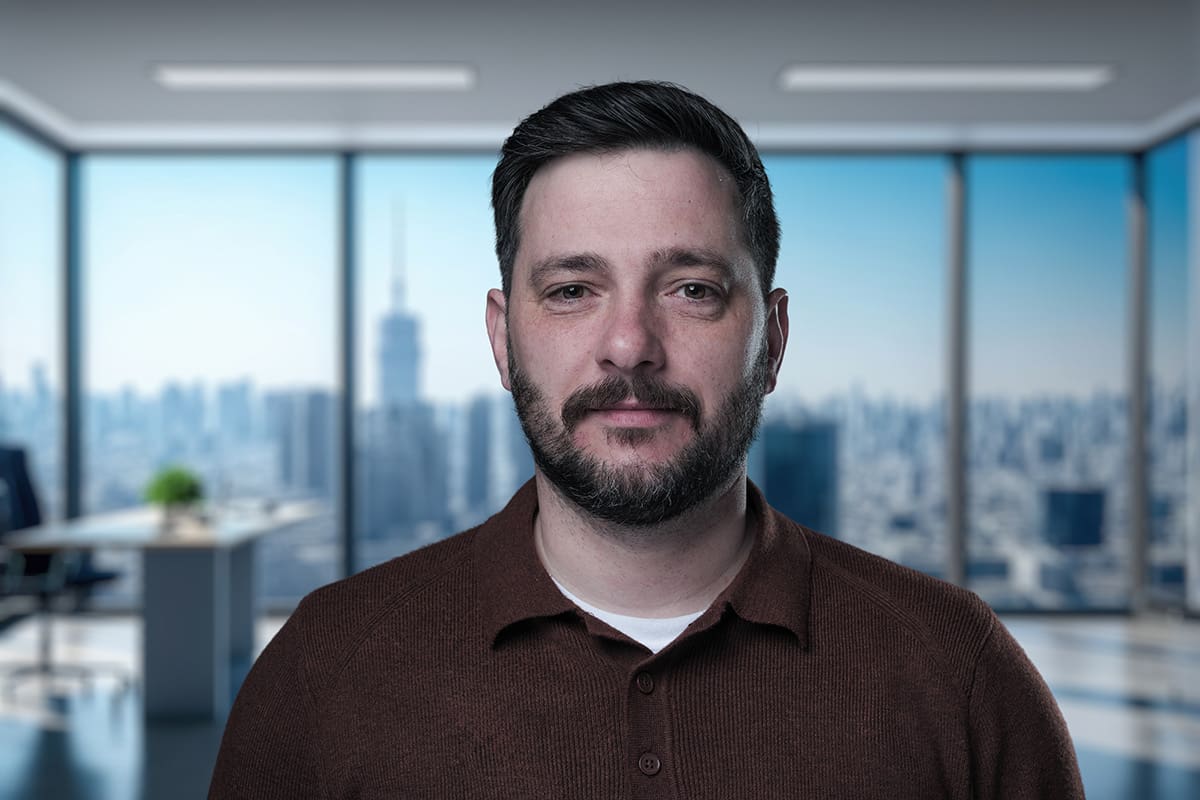
There’s also a hybrid approach. I shoot a studio portrait, then replace the background with a location or office image, known as a plate. Retouching software helps with this, but matching colour temperature, depth of field, and light and shadow so the result looks believable is still down to the photographer’s eye.
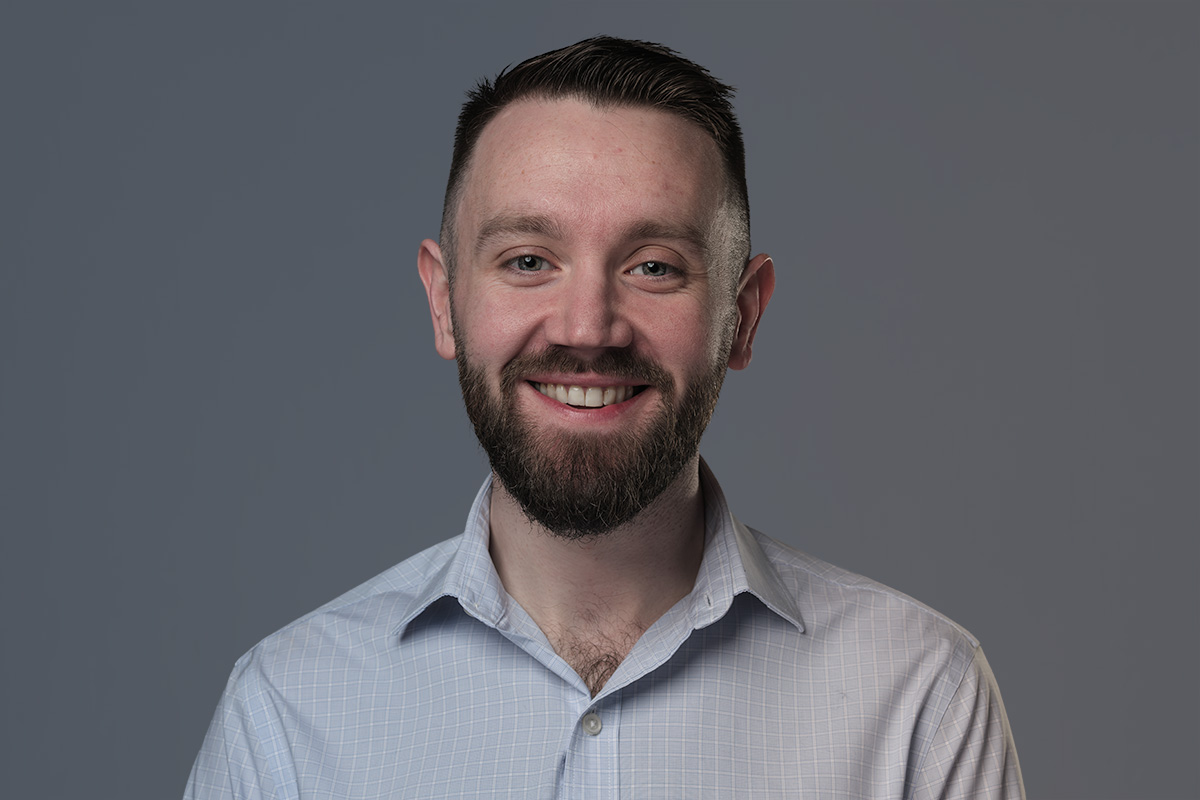 Studio headshot
 The same headshot with background replacement
Below are further examples of both studio and environmental headshots, you can also read about my headshot and team photography services here.